A release is easier to work with when someone outside the company can quickly understand the news. Before thinking about distribution, make sure the announcement has a specific point, useful context and facts that hold up to scrutiny.
This checklist is a preparation guide. The service or publication handling your release may have its own editorial requirements, which you should confirm before submission.
1. Name the actual news
Write one sentence explaining what has changed. If the sentence only says the company is “excited to announce” something, keep going. What is available, who is involved, when does it happen and why does it matter?
A product launch, a new partnership or a meaningful company milestone can provide a clear starting point. A general description of the business usually needs a more specific reason to be an announcement.
2. Give the headline a job
The headline should communicate the change. Keep the company name and the news close together. Remove adjectives that ask readers to accept a conclusion before they have seen the facts.
Useful test: could this headline belong to almost any business? If so, add the detail that makes this announcement specific.
The opening paragraph should then answer the obvious questions: who, what, when and why. Include where the news applies when location matters.
3. Put the facts in context
Explain the problem, development or opportunity behind the announcement. Include the information that helps a reader understand its significance, rather than every internal detail about the project.
Before submission, check:
- Company, product and partner names.
- Dates, availability and geographic scope.
- Numbers and the evidence supporting them.
- Links to relevant supporting information.
- Any wording that needs approval from another organisation.
If a statement cannot be verified or approved, resolve it before it becomes part of the release.
4. Use quotes to add perspective
A quote should explain the reasoning or significance behind the news. It has more value when it adds something beyond the opening paragraph.
Confirm the exact wording, the speaker’s name and their role. Get approval before submitting it. A partner’s quote needs the partner’s approval, even if you wrote the first draft.
5. Prepare the supporting assets
Choose images that help explain the announcement. Check that you have permission to use them and that any supplied captions are accurate.
Confirm the package’s image limits, file specifications and video support before including assets. Do not assume that every format or embedded video will be carried across every publication route.
6. Make the company easy to identify
Add a concise company description and a useful website link. Keep the naming consistent with the business’s other public information.
Include a contact route for questions. The person named should know about the release and be able to respond on behalf of the company.
7. Check the distribution scope
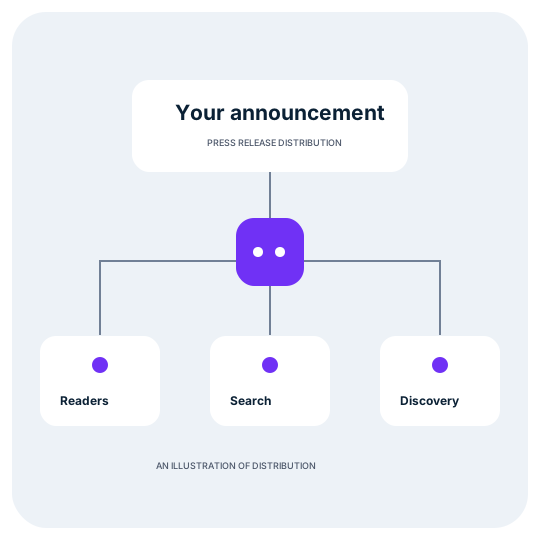
Before agreeing to a package, ask what it includes. Markets, channels, timing, editorial review and reporting are practical details that shape the plan.
Distribution is different from independent editorial coverage. A package description should make clear what it actually delivers, without treating publication of the release as a promise that a journalist will report it.
8. Plan the next step
Coordinate the release with the company’s newsroom, internal communications and any direct media outreach. Make sure the public information is consistent when the announcement goes out.
Afterwards, assess the actual evidence: where the release appeared, what independent coverage happened and what other outcomes can be documented. Keep those categories separate.
Ready to consider the route? Explore the distribution approach or contact Press AI with the announcement you have in mind.